
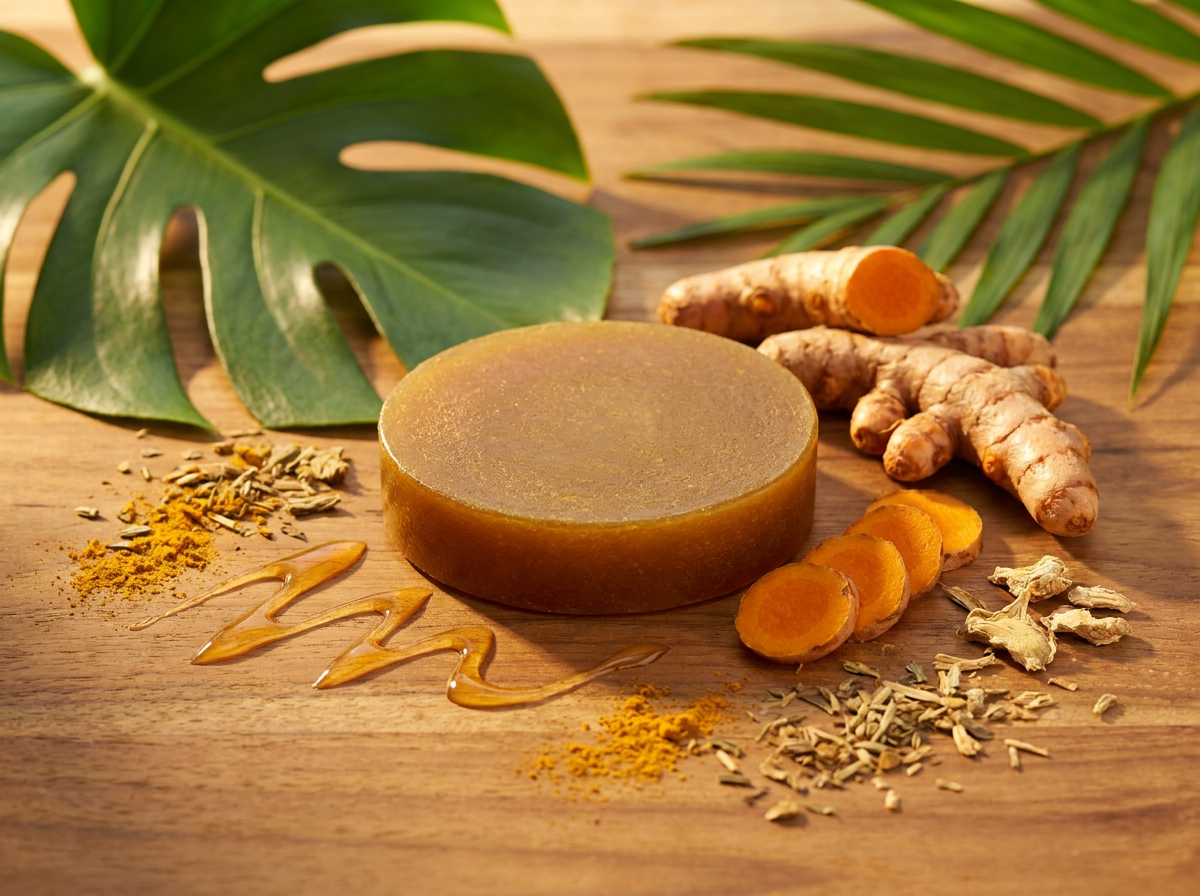
The Ultimate Guide to Turmeric Soap: Benefits, Uses & Why It Works
Somewhere in Trinidad, generations ago, a woman reached for a bar of golden soap infused with turmeric root — not from a store shelf, but from her own kitchen. She knew what scientists are only now confirming: that turmeric is one of the most powerful skincare ingredients nature has ever produced.
At Tigress Creations, that tradition lives on in every bar of our handcrafted turmeric soap. But this post isn’t just about our product. It’s a complete guide to turmeric soap — what it is, what it actually does for your skin, how to use it correctly, and what to watch out for. Whether you’re exploring natural skincare for the first time or looking to deepen your understanding of an ingredient you already love, you’ll find everything you need here.
What Is Turmeric Soap?
It comes in a bar or liquid soap that incorporates turmeric (Curcuma longa) — a golden-yellow root from the ginger family — as a key active ingredient. The compound responsible for most of turmeric’s skin benefits is curcumin, a naturally occurring polyphenol with well-documented anti-inflammatory, antioxidant, and antimicrobial properties.
Turmeric has been used in skincare across South Asia, the Caribbean, and West Africa for thousands of years. In traditional Trinidadian beauty rituals — the heritage at the heart of Tigress Creations — it was used to brighten skin before weddings, soothe irritated skin after sun exposure, and maintain an even, glowing complexion year-round.
Modern turmeric soaps fall into two categories:
Commercial turmeric soaps — mass-produced, often contain synthetic fragrance, dyes, and detergents alongside a small percentage of turmeric extract. The “turmeric” may be more visual than functional.
Artisan handmade turmeric soaps — small-batch, cold-process or hot-process bars made with real turmeric root powder, carrier oils, and no synthetic shortcuts. The curcumin concentration is higher and the bar actually behaves like skincare, not just soap.
Tigress Creations’ turmeric soap falls firmly in the second category — crafted in small batches using real turmeric root powder sourced from trusted suppliers, combined with skin-loving oils and a Caribbean-inspired formulation passed down through our family.
Turmeric Soap Benefits for Skin
The research on curcumin is extensive and growing. Here’s what turmeric soap can genuinely do for your skin — backed by both science and centuries of traditional use.
1. Brightens and Evens Skin Tone
This is the benefit most people come for. Curcumin inhibits the enzyme tyrosinase, which plays a key role in melanin production. By slowing down uneven melanin deposits, regular use of turmeric soap can help fade:
Post-acne dark spots (post-inflammatory hyperpigmentation)
Sun spots and age spots
Uneven patches and dullness
The result is not lighter skin — it’s brighter, more even skin that reflects your natural tone at its best. This is an important distinction: turmeric soap works with your skin, not against it.
2. Fights Acne and Blemishes
Curcumin has proven antimicrobial activity against Propionibacterium acnes (the bacteria most associated with acne breakouts). A 2018 study published in AAPS PharmSciTech demonstrated curcumin’s effectiveness in reducing acne lesions and controlling bacterial growth on skin. When formulated into a gentle bar soap, turmeric delivers these benefits with every cleanse — without the harshness of salicylic acid or benzoyl peroxide.
3. Reduces Inflammation and Redness
For skin prone to redness, rosacea flare-ups, or general sensitivity, turmeric soap can be a genuinely soothing addition to your routine. Curcumin is one of the most studied natural anti-inflammatories known to science. It blocks NF-κB, a molecule that activates genes related to inflammation, making it particularly effective for calming reactive skin after sun exposure or environmental stress.
4. Antioxidant Protection Against Aging
Free radicals — unstable molecules generated by UV exposure, pollution, and stress — are one of the primary drivers of premature skin aging. Curcumin is a potent free radical scavenger. Regular use of turmeric soap can help protect skin cells from oxidative damage, supporting a firmer, more youthful appearance over time. This is one reason why turmeric has been a cornerstone of Caribbean and South Asian anti-aging rituals for generations.
5. Deep Cleanses Without Stripping
Unlike many commercial soaps that strip the skin’s natural moisture barrier, a well-formulated handmade turmeric soap cleanses deeply while leaving a protective layer of natural glycerin behind. This glycerin — a natural byproduct of the soap-making process that’s often removed from commercial soaps — keeps skin soft, hydrated, and balanced after washing.
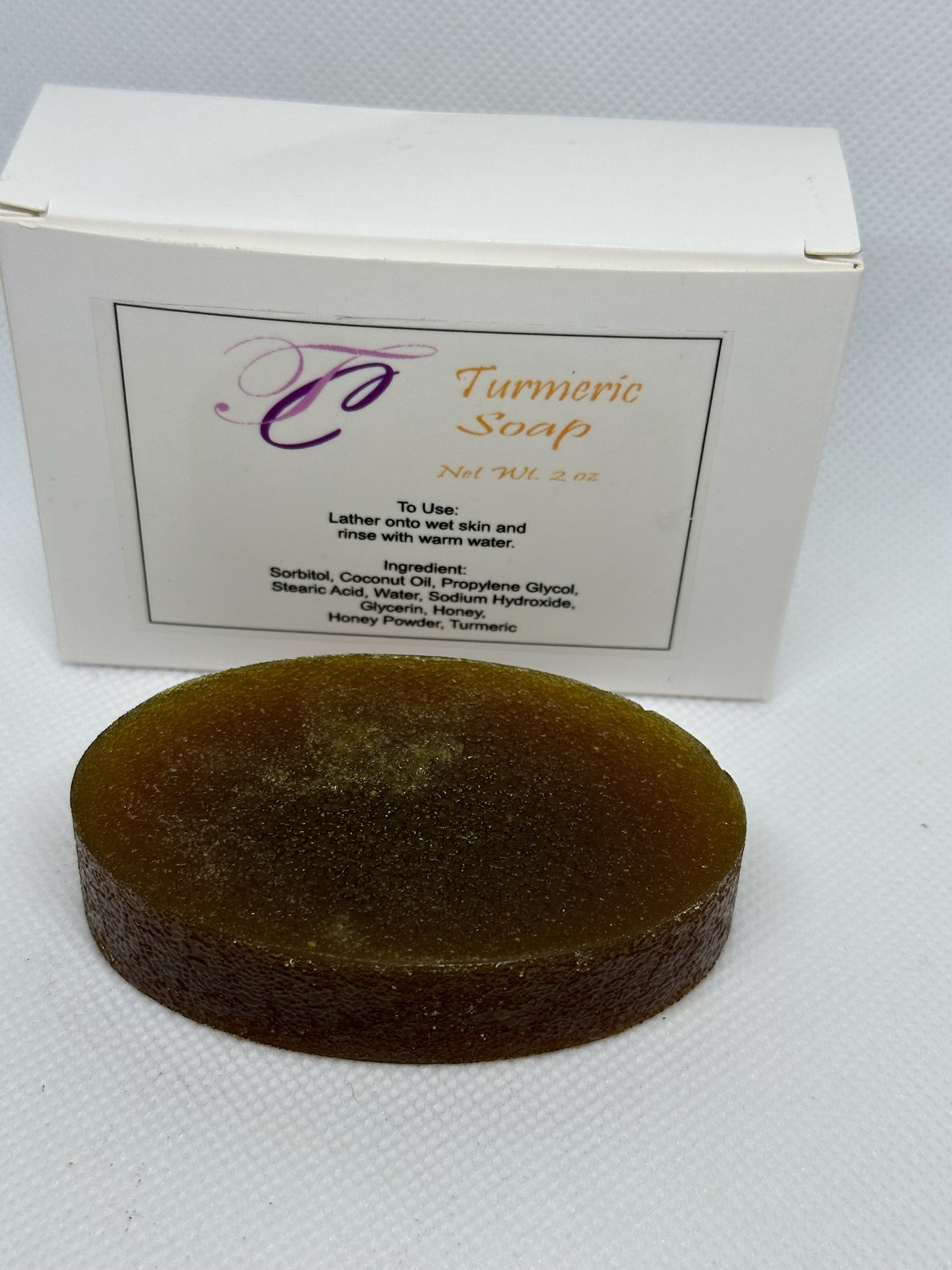
Tigress Creations Turmeric Soap — real product photo showing the golden handcrafted bar with branded packaging
The real Tigress Creations Turmeric Soap — exactly what arrives at your door.
How to Use Turmeric Soap on Your Face
Getting the best results from turmeric soap requires a little technique. Here’s the right way to use it:
Start with warm water. Splash your face with warm (not hot) water to open pores and soften skin.
Lather in your hands first. Work the soap into a lather in your palms before applying it to your face. This gives you more control over the amount and prevents the bar from dragging on delicate facial skin.
Massage gently in circular motions. Apply the lather to your face and massage gently for 30–60 seconds. Don’t rush — this is when the curcumin makes contact with your skin.
Rinse thoroughly with cool water. Finish with a cool water rinse to close pores. Make sure no soap residue remains, especially around your hairline and jaw.
Follow with moisturizer. Pat your face dry and apply a light, natural moisturizer immediately to lock in hydration.
How often? Once daily is ideal for most skin types — morning or evening. If you have sensitive skin, start with every other day and observe your skin’s response before increasing frequency.
Will it stain? High-quality artisan turmeric soaps are formulated to rinse clean without leaving a yellow tint on your skin. However, if the soap contacts white towels or washcloths, it may leave a faint stain. Use a dedicated dark-colored face cloth with turmeric soap.
Does Turmeric Soap Lighten Skin Permanently?
This is one of the most searched questions about turmeric soap — and it deserves an honest answer.
No, turmeric soap does not lighten skin permanently. What it does is help your skin reach its naturally brightest, most even tone by reducing hyperpigmentation and dullness. When you stop using it consistently, the brightening effects will gradually fade over weeks to months as your skin’s natural processes resume.
The important distinction: turmeric soap evens your complexion — it does not bleach or permanently alter your melanin production. This is why it’s considered a safe, gentle brightening ingredient even for darker skin tones, which are more susceptible to damage from harsh chemical lighteners.
For best and most lasting results, use turmeric soap consistently as part of a complete skincare routine that includes daily SPF protection. Sun exposure is the number one driver of hyperpigmentation, and no brightening soap can outwork daily sun damage.
Turmeric Soap Side Effects: What to Know
Turmeric soap is generally very well-tolerated, but there are a few things to be aware of:
Potential Side Effects
Skin staining: Real turmeric root powder is deeply pigmented. On very fair or dry skin, a brief yellow tint may appear after washing if rinsing is incomplete. This washes off with a second rinse.
Mild irritation for sensitive skin types: Turmeric’s active compounds are bioactive — meaning they do something. On extremely sensitive or compromised skin (active eczema flares, open wounds), this can occasionally cause mild stinging. Patch-test first.
Allergic reaction (rare): As with any plant-based ingredient, a small percentage of people may have an allergy to curcumin. Do a 24-hour patch test on your inner arm before using on your face.
Who Should Be Cautious
Those with known turmeric or ginger family allergies
Those currently using prescription-strength topical retinoids (combining potent actives can cause sensitivity)
Those with active open skin conditions — consult a dermatologist first
For the vast majority of people, turmeric soap is a gentle, effective, and beautifully natural addition to their skincare routine.
The Caribbean Turmeric Tradition Behind Tigress Creations
Understanding why turmeric soap works is one thing. Understanding where it comes from is another.
At Tigress Creations, our turmeric soap isn’t inspired by a trend. It’s rooted in Trinidadian family tradition — a heritage of holistic skincare passed down through generations of Caribbean women who understood that the ingredients growing around them were powerful enough to care for their skin without chemicals or shortcuts.
Turmeric was always present in our family’s kitchen and our beauty rituals — used in teas, in cooking, and in homemade skincare preparations long before “clean beauty” became a marketing category. Our founder Waveney Paul grew up watching her mother and grandmother transform raw ingredients into preparations that kept their skin healthy, glowing, and strong.
Every bar of Tigress Creations’ turmeric soap carries that intention. We source real turmeric root powder, combine it with carefully selected carrier oils, and craft each batch by hand — small enough to maintain quality and authenticity, true to the tradition it comes from.
You can explore our full artisan soap collection here, including our Turmeric Soap & Scrub set — our Caribbean Glow Ritual — designed to brighten, exfoliate, and nourish skin through a complete three-step process.
How to Choose a Quality Turmeric Soap
With turmeric soap now widely available from mass retailers to Etsy shops, here’s how to separate genuine quality from marketing fluff:
Look at the ingredient list. Real turmeric root powder (Curcuma longa) should appear in the ingredients — not just “turmeric fragrance” or “turmeric extract” buried at the bottom.
Check for synthetic detergents. Words like sodium lauryl sulfate (SLS) or sodium laureth sulfate (SLES) indicate a detergent bar, not a true soap. These strip skin and undermine the benefits of any natural ingredient added alongside them.
Favor small-batch handmade producers. Mass production compromises the integrity of sensitive plant-based ingredients. Small-batch artisan soaps retain more of the natural compounds that make them effective.
Smell it. Quality turmeric soap has a warm, earthy, slightly spicy natural scent. If it smells like synthetic fruit or artificial perfume, the “turmeric” is cosmetic.
Source matters. A soap maker who can tell you where their turmeric comes from, how their bars are made, and why they use the ingredients they do is a soap maker worth trusting.
For a deeper look at what separates artisan soap from commercial soap, see our guide: What Makes Handcrafted Soap Different?
Frequently Asked Questions About Turmeric Soap
Can I use turmeric soap every day?
Yes, most people can use turmeric soap daily. If you have sensitive skin, start every other day and work up. Daily use produces the most consistent brightening and anti-inflammatory benefits.
How long until I see results?
Most users notice improved skin texture and luminosity within 2–4 weeks of consistent daily use. Significant dark spot reduction typically takes 6–8 weeks. Be patient — natural skincare works gradually and gently, which is exactly why it’s sustainable long-term.
Can turmeric soap be used on the body as well as the face?
Absolutely. It’s particularly effective on elbows, knees, underarms, and anywhere you want to even skin tone. Our turmeric soap paired with our turmeric scrub creates a full-body brightening ritual that Caribbean women have relied on for generations.
Is turmeric soap safe for darker skin tones?
Yes — and it’s particularly well-suited for deeper skin tones, which are more prone to hyperpigmentation. Unlike chemical brighteners that can cause rebound darkening or uneven bleaching, turmeric’s gentler mechanism is safe and effective across all skin tones.
What’s the difference between turmeric soap and a turmeric mask?
A mask stays on skin for 10–20 minutes, delivering a more concentrated treatment. Soap rinses off quickly, delivering a lower-intensity benefit with every daily use. Both have value — the soap maintains your baseline, and an occasional turmeric mask (or scrub) provides a deeper treatment. Used together, they form a complete turmeric skincare routine.
Final Thoughts: The Golden Ingredient Worth Knowing
Turmeric soap stands out in a crowded natural skincare market because it earns its reputation. It brightens without bleaching. It calms without suppressing. It cleanses without stripping. And it connects you to a tradition of skin wisdom that has outlasted every beauty trend by centuries.
Whether you’re on the East Coast of the United States, in the Caribbean, or anywhere your skin needs a little more care and attention, turmeric soap offers something genuinely valuable — provided you choose one made with real ingredients by people who understand what they’re doing.
At Tigress Creations, that’s exactly what we offer. Handcrafted in small batches, rooted in Trinidadian heritage, and formulated to give your skin exactly what it needs.
Shop our Turmeric Soap & Scrub collection →
Tigress Creations is a family-owned artisan bath and body brand rooted in Caribbean heritage. All products are handcrafted in small batches using natural, skin-loving ingredients. Based in Georgia, we ship across the East Coast and beyond.
Finding Real Turmeric Soap on the East Coast
The demand for natural, artisan skincare has grown significantly across the Eastern United States in recent years — from the boutique markets of Savannah, Georgia to the farmers markets of Brooklyn, New York, and the wellness communities of Philadelphia and New Jersey. East Coast buyers, particularly those with Caribbean, South Asian, and African heritage, are increasingly seeking out products that align with their cultural traditions rather than generic “natural” marketing.
If you’re searching for authentic turmeric soap on the East Coast, here’s what to look for in your local market:
Farmers markets and craft fairs — Small-batch artisan soap makers are most visible at weekend markets. Look for vendors who can tell you specifically what’s in their soap and how it was made.
Heritage-focused wellness brands — Brands rooted in specific cultural traditions (Caribbean, Ayurvedic, West African) typically have a deeper understanding of turmeric’s role in skincare and source ingredients more thoughtfully.
Online artisan shops — Many small-batch producers, including Tigress Creations, ship directly to customers across the East Coast. Buying direct from the maker ensures freshness and supports small businesses.
Tigress Creations attends farmers markets, Renaissance fairs, and craft expos across the Southeast. Follow us on Instagram (@tigresscreations912) and Facebook (Tigress Creations) to find us at an event near you — or order directly from our website for delivery across the East Coast.
Pairing Turmeric Soap with the Right Skincare Routine
Turmeric soap works best when it’s part of a complete, intentional routine. Here’s how to build one that maximizes its benefits:
Morning Routine with Turmeric Soap
Cleanse with turmeric soap — removes overnight buildup, preps skin for the day ahead
Tone with rose water or aloe vera — balances pH after cleansing
Moisturize with a lightweight natural oil or lotion (Tigress Creations’ body lotion works beautifully here)
Protect with SPF 30+ — non-negotiable if you’re targeting hyperpigmentation
Evening Routine with Turmeric Soap
Cleanse with turmeric soap — removes pollution, sunscreen, and daily grime
Treat with a natural serum or facial oil if desired
Moisturize with a slightly richer night cream or body butter
Weekly Ritual: The Caribbean Glow Treatment
Once or twice a week, replace your regular cleanse with this heritage-inspired ritual:
Cleanse with turmeric soap
Exfoliate with turmeric scrub — removes dead skin cells and enhances absorption
Moisturize deeply with turmeric-infused body lotion
This three-step ritual — our Caribbean Glow Ritual — is the core of how Trinidadian women have been caring for their skin for generations. It takes about 20 minutes and leaves skin visibly brighter, smoother, and softer. Visit our shop to explore the full set.
The Science Behind Curcumin: A Deeper Look
For those who want to understand the why behind turmeric soap’s effectiveness, here’s a brief look at the science:
Curcumin (diferuloylmethane) is the primary active polyphenol in turmeric. It has been the subject of over 3,000 peer-reviewed studies examining its effects on inflammation, oxidative stress, and skin health. Key mechanisms relevant to skincare include:
Tyrosinase inhibition: Curcumin interferes with the enzyme that converts tyrosine to melanin, slowing the formation of dark spots without destroying existing melanocytes.
NF-κB suppression: By blocking this inflammatory signaling pathway, curcumin reduces skin redness, swelling, and reactive inflammation — making it effective for acne, rosacea, and post-sunburn recovery.
Collagen synthesis support: Research suggests curcumin may stimulate collagen-producing fibroblasts in the dermis, supporting skin elasticity and wound healing.
Antimicrobial activity: Curcumin disrupts bacterial cell membranes and inhibits biofilm formation, making it effective against acne-causing bacteria without disrupting the broader skin microbiome.
The challenge with curcumin in skincare is bioavailability — curcumin is not easily absorbed through the skin in its raw form. This is why the formulation of a turmeric soap matters enormously. The right combination of carrier oils, saponification process, and pH can significantly enhance how much curcumin your skin actually absorbs during cleansing. At Tigress Creations, our formulations are developed with this in mind — guided by family knowledge refined over generations and informed by current cosmetic science.
For further reading on curcumin’s skin benefits, the National Library of Medicine’s review on curcumin in dermatology is an excellent resource.